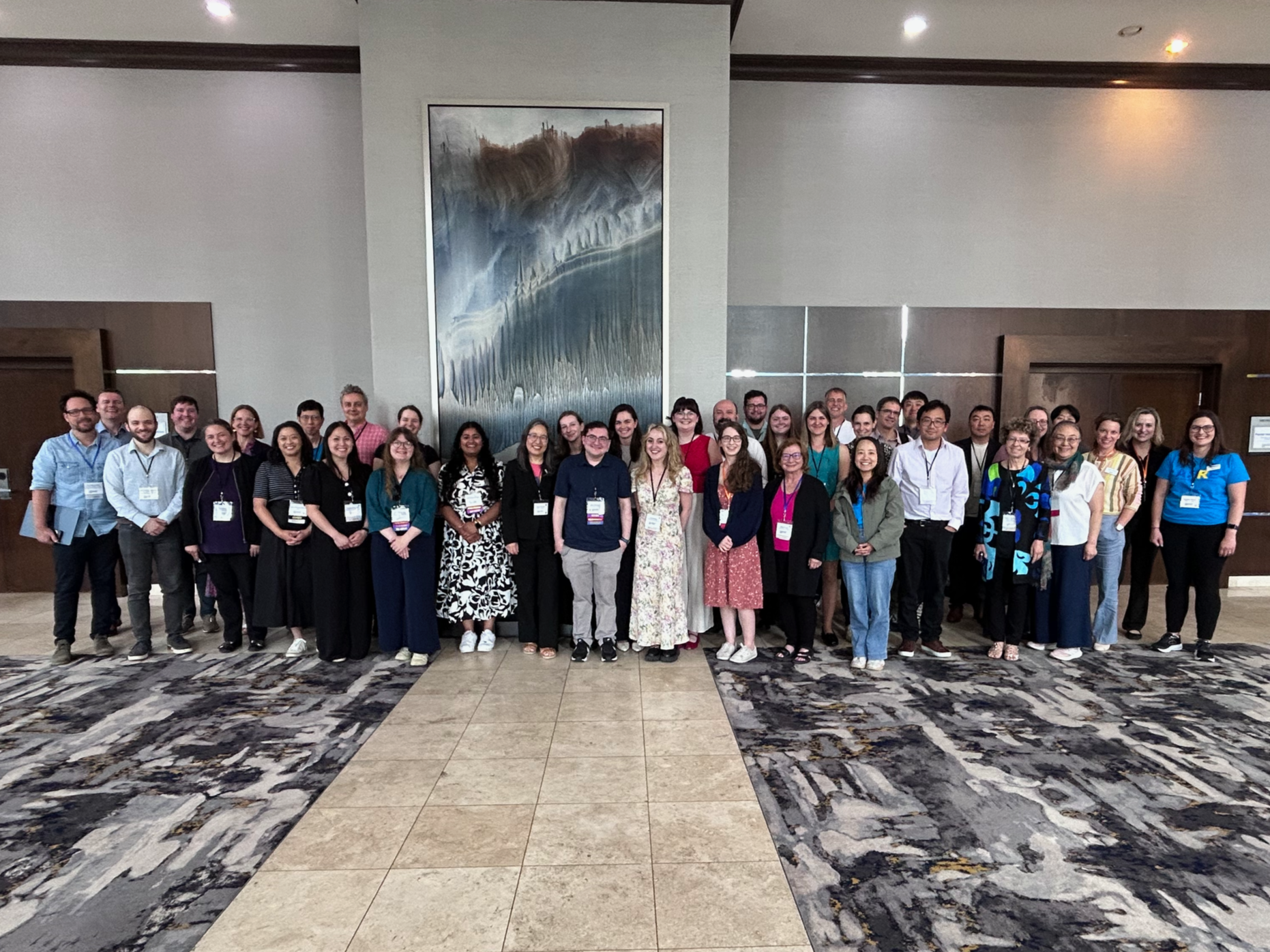
2026 ASXL Research Symposium
Thursday, June 25 - Friday, June 26, 2026
Sheraton Ann Arbor
Ann Arbor, Michigan, U.S.A.
The annual ASXL Research Symposium brings together innovative scientists, clinicians and industry leaders from around the world to drive ASXL research forward. This highly collaborative and interactive meeting establishes the critical foundation upon which therapeutic treatments and standards of care will be developed for ASXL-related disorders. By fostering new collaborations and facilitating the sharing of data, knowledge, reagents, and resources, this meeting unites our scientific community and accelerates our efforts to improve the quality of life of everyone living with an ASXL-related disorder.
This portion of the meeting is for scientists, doctors, and research professionals. ASXL Family Conference programming begins the evening of Friday, June 26.
Share your work at the ASXL Research Symposium with a poster. Abstracts are due by Monday, June 1.
Submit a poster
Program
Laura Badmaev is the Founder and Chair of the ASXL Rare Research Endowment Foundation and mother of Alex, who has Bohring-Opitz Syndrome (ASXL1). She is passionate about supporting evidence-based research and improving management of care for ASXL families. Laura grew up in the New York metropolitan area and relocated to southern Maine, where she lives with her husband Michael and their children Alexander, Abigail, and Natalia. She holds a BS in Operations Research & Industrial Engineering from Cornell University, a Masters in Systems Engineering and Graduate Certificate in Engineering Management from Stevens Institute of Technology, and a Certificate in Leadership Excellence from Harvard. She is certified in Scaled Agile Framework and Six Sigma. Laura worked for the Department of Defense as an Integrated Logistics Support Manager and R&D Systems Engineering Advisor before joining American Express, where she has served in various consultative and capability development roles for over a decade. American Express recognized Laura with the 2018 Top 10 Global Parent of the Year Award, the 2019 Mother of the Year for Working Mother Media’s 100 Best Companies, and the 2021 Chairman’s Award.
Dr. Bianca Russell is a clinical geneticist at University of California, Los Angeles (UCLA) who sees patients with metabolic and genetic conditions. She has been following patients with ASXL-related disorders since 2013 and has made this the research focus of her career. She started the ASXL Registry as a resident at Cincinnati Children’s and expanded it to include a biobank when she transitioned to UCLA. Dr. Russell received her bachelor’s degree from Connecticut College in 2008 and her medical degree from the University of California, Irvine in 2013. She completed her residency in Pediatrics and Human Genetics at Cincinnati Children’s Hospital.
Dr. Stephanie Bielas is the Morton S. and Henrietta K. Sellner Professor in Human Genetics and Associate Professor of Human Genetics and Pediatrics at the University of Michigan Medical School. Research in her lab focuses on discovering the genetic basis of human neurodevelopmental disorders. The Bielas lab performs functional follow-up using mammalian models of neural development, including primarily mouse models and human forebrain organoids, and has revealed novel features of human brain development and pathogenic mechanisms that are critical for developing therapeutic interventions. Dr. Bielas serves as a scientific advisor to Leo’s Lighthouse Foundation and ASXL Rare Research Endowment Foundation, and serves as a principal investigator building clinical and research infrastructure to improve access to pediatric genetic diagnostic testing in India.
Bio coming soon.
Beat Fierz studied molecular biology and biophysical chemistry at the Biozentrum of the University of Basel. After the diploma in 2002, he joined the laboratory of Thomas Kiefhaber at the Biozentrum for a PhD in protein folding and dynamics, using nanosecond laser photolysis to observe initial steps in protein folding and secondary structure formation. After obtaining his PhD in 2006, he moved to Rockefeller University for postdoctoral research in the laboratory of Tom W. Muir, where he developed methods to synthesize chromatin containing defined ubiquitin modifications. In 2012, he was appointed tenure-track assistant professor for the Sandoz Foundation Chair at the Institute of Chemical Sciences and Engineering (ISIC) of EPFL, where he established a program to detect dynamic processes in chromatin regulation, combining chemical biology and biophysics methods. In 2019, he was promoted to associate professor at EPFL. The current research of Prof. Beat Fierz focuses on the structure, dynamics, and function of chromatin and related multi-protein complexes in vitro and in cells, requiring an interdisciplinary approach at the interface of chemistry, biology, and biophysics.
Emma obtained her undergraduate degree at the Smurfit Institute of Genetics, Trinity College Dublin in 2022. During this time she conducted research on rare childhood malignancies, including diffuse midline gliomas, under the supervision of Prof. Adrian Bracken. She started her PhD in the Conway Chromatin Lab in University College Dublin in 2022 where her research is focused on Polycomb-related chromatinopathies, in particular, Bohring Opitz Syndrome. Her aim is to uncover the mechanisms of epigenetic dysregulation caused by truncating variants in the ASXL1 gene which could in turn lead to an improved understanding of the role of H2AK119ub1 and PR-DUB in BOS, and importantly, may shape the search for targeted treatments for patients. In addition to BOS, while in the Conway Lab, she has also worked on Weaver Syndrome, a rare congenital overgrowth syndrome.
Tatiana Kutateladze is a Professor in the Department of Pharmacology at the University of Colorado School of Medicine. Her research interests include studying epigenetic and chromatin remodeling signaling, posttranslational histone modifications and the role of epigenetic misregulations in human diseases. Among their major achievements, the Kutateladze lab is credited with determining molecular bases underlying methyllysine and acyllysine recognition by a large number of epigenetic readers.
Dr. Morey is a Tenured Associate Professor at the Human Genetics Department at University of Miami and member of the Cancer Epigenetics Program at Sylvester Comprehensive Cancer Center. He received his degree in Biology from Universidad de Barcelona (Spain) in 2003. He completed his PhD studies in the laboratory of Dr. Luciano Di Croce at the Center for Genomic Regulation (Barcelona, Spain), where he studied the role of the chromatin-remodeling complexes in leukemia. He then joined Dr. Kristian Helin’s laboratory in Copenhagen (Denmark) where he studied the role of epigenetic factors in early development, and in 2010 he joined Dr. Luciano Di Croce as staff scientist where he investigated the role of Polycomb complexes in ESCs. In 2016, he started his independent career as an Assistant Professor at UM and SCCC. Dr. Morey has been the recipient of multiple grants from AACR, V Foundation, METAvivor NIH-NIGMS and NIH-NCI, among others. The lab’s focus is mainly on how chromatin modifying enzymes regulate oncogenic and developmental programs, and how perturbations of epigenetic pathways can be exploited for therapeutic interventions.
Dr. Chao Lu received his PhD from the University of Pennsylvania, where he completed his thesis research in the laboratory of Dr. Craig Thompson. He then joined the laboratory of Dr. C. David Allis at the Rockefeller University for postdoctoral training. Dr. Lu joined the Columbia University faculty in 2018, where he is an Associate Professor in the Department of Genetics and Development and the Herbert Irving Comprehensive Cancer Center. Dr. Lu’s laboratory employs high-throughput genetic and epigenomic technologies to understand the mechanisms by which chromatin is stably compartmentalized and dynamically regulated. The goal is to apply insights from mechanistic studies to target human diseases driven by chromatin abnormality, such as cancer and neurodevelopmental disorders.
Dr. Stephanie Bielas is the Morton S. and Henrietta K. Sellner Professor in Human Genetics and Associate Professor of Human Genetics and Pediatrics at the University of Michigan Medical School. Research in her lab focuses on discovering the genetic basis of human neurodevelopmental disorders. The Bielas lab performs functional follow-up using mammalian models of neural development, including primarily mouse models and human forebrain organoids, and has revealed novel features of human brain development and pathogenic mechanisms that are critical for developing therapeutic interventions. Dr. Bielas serves as a scientific advisor to Leo’s Lighthouse Foundation and ASXL Rare Research Endowment Foundation, and serves as a principal investigator building clinical and research infrastructure to improve access to pediatric genetic diagnostic testing in India.
Sally Camper is the Margery W. Shaw Distinguished University Professor of Human Genetics. She joined the University of Michigan faculty in 1988 and has since contributed to the Medical School in a variety of roles, including founding Director of the U-M Transgenic Animal Model Core, Associate Director of the combined graduate Program in Biomedical Sciences, and Chair of the Dept of Human Genetics. Her research interests include the genetic basis for neuroendocrine birth defects, mouse models of hypopituitarism, pituitary stem cells, and molecular diagnosis of congenital hypopituitarism. Camper received her PhD in biochemistry from Michigan State University and completed her postdoctoral fellowship at the Institute for Cancer Research in Philadelphia and Princeton University before joining the U-M.
The goal of Dr. Iwase’s research group is to elucidate chromatin regulatory mechanisms engaged in development and function of the brain. Chromatin deregulation has emerged as a major cause of neurodevelopmental disorders such as intellectual disabilities, autism spectrum disorders, and schizophrenia. Post-translational modifications of histones have been recognized as a “language” describing a variety of nuclear events. Numerous mutations associated with neurodevelopmental disorders fall into such histone modification regulators. Accurate interpretation of the histone modification network, therefore, appears to be essential for proper brain development and function. However, little is known about what chromatin regulators do in the brain and how these mutations lead to neurodevelopmental disorders. Dr. Iwase’s group aims to reveal molecular underpinnings of histone regulation in the brain, thereby deepening understanding of the roles of chromatin in normal and pathological brains.
Fides Zenk is a scientist working to understand how the human brain develops and what happens when this process goes wrong. Her research focuses on epigenetics — the layer of biological information that controls how our genes are switched on and off without changing the DNA sequence itself. These epigenetic instructions are especially important during early development, when cells must decide what type of cell they will become. Her laboratory studies how epigenetic mechanisms guide the formation of the nervous system and how disruptions in these processes can contribute to neurodevelopmental disorders and brain diseases. To do this, she combines stem cell models, including human brain organoids grown in the laboratory, with advanced genomic technologies that allow her team to examine gene regulation at very high resolution, even in individual cells. By mapping how healthy brain cells establish and maintain their identity, her work aims to uncover why certain cells lose their proper developmental path. The long-term goal is to improve understanding of the biological causes of neurological conditions and to contribute to better diagnostic and therapeutic strategies.
Dr. Val Arboleda is a physician-scientist trained in human genetics, genomics, and clinical pathology. The overarching research goals in her lab are to integrate large-scale data sets to improve our biological understanding and clinical treatment of human disease. In no other time in human history do we have such rich biological and clinical data, the bioinformatics tools to explore these relationships on a large scale, and the molecular genetic tools to rapidly experimentally validate findings in model systems.
Whilst studying Molecular Biology at the University of Edinburgh, Rob became fascinated by chemical modifications that could alter the functionality of DNA — a field known as epigenetics. This led him to pursue a PhD with Sir Adrian Bird, developing novel biochemical tools to isolate DNA based on its methylation status. The timely advent of next-generation sequencing enabled the production of some of the first genome-wide DNA methylomes from human and mouse cells. He then leveraged genomics and bioinformatics expertise in the lab of Prof. Wendy Bickmore at the MRC Human Genetics Unit, focusing on the structural and catalytic functions of polycomb repressive complex 1 (PRC1) during early mammalian development. In 2018, Rob established his lab in the Centre for Regenerative Medicine (CRM) and the Simons’ Initiative for the Developing Brain (SIDB) in Edinburgh. The Illingworth lab investigates how chromatin-based mechanisms control gene expression programmes to balance cellular expansion and specification, and how derailing these processes leads to pathology.
Amanda Johnson joined the ARRE Foundation in 2021 as the organization’s first staff member. She leads activities supporting the ARRE Foundation’s mission of advancing research and improving quality of life for families living with ASXL-related disorders, including fundraising, programs, events, and partnerships. Her proudest achievement to date is supporting the development of the first GeneReviews article for Shashi-Pena Syndrome, published in November 2024, which represents a true partnership between the family community, the medical community, and the ARRE Foundation. Amanda brings over 15 years of experience in donor-centered fundraising, event management, and nonprofit administration. In previous roles she served at the Pulmonary Hypertension Association, DC Central Kitchen, and the ARVO Foundation for Eye Research. She holds a BS in Organizational Communication from Ithaca College and an MA in Nonprofit Management from Notre Dame of Maryland University.
Karen Ho joined the ARRE Foundation in 2025 as Chief Scientific Officer. Karen has spent the majority of her professional career in biotech, first as lead scientist at a startup diagnostic testing company focused on genetic interpretation for children with autism, developmental delays, and/or cognitive impairment, and presently as VP, Translational Medicine at Clene Nanomedicine, where she leads the development of a novel neuroprotective, remyelinating drug candidate for neurodegenerative disease. Karen trained as a basic scientist with the fruit fly as her favorite model organism. She received her BS in Biochemistry summa cum laude from Washington University as a Compton Scholar, a Masters in Genetics from the University of Cambridge as a Marshall Scholar, and a PhD in Developmental Biology from Stanford. She completed her postdoctoral training as a National Sleep Foundation Pickwick Scholar and HHMI Postdoctoral Fellow at the University of Pennsylvania. Karen serves on several rare disease Scientific Advisory Boards and holds an adjunct faculty position at the University of Utah School of Medicine in the Department of Pediatrics, Division of Medical Genetics.
Dr. Val Arboleda is a physician-scientist trained in human genetics, genomics, and clinical pathology. The overarching research goals in her lab are to integrate large-scale data sets to improve our biological understanding and clinical treatment of human disease. In no other time in human history do we have such rich biological and clinical data, the bioinformatics tools to explore these relationships on a large scale, and the molecular genetic tools to rapidly experimentally validate findings in model systems.
Stuart Cobb leads a research team at the University of Edinburgh, where he is Professor of Translational Neuroscience at Simons Initiative for the Developing Brain and Centre for Discovery Brain Sciences. His laboratory is focused on developing genetic therapies for severe neurological and neurodevelopmental disorders. His research aims to address the tractability of severe brain disease to genetic rescue and to develop innovative therapeutic solutions for clinical translation. Research highlights include ground-breaking genetic rescue work in Rett syndrome; his group was the first to report the ameliorative effect of gene therapy in mice modelling the disorder. His laboratory has developed a number of novel gene therapy approaches optimized for efficacy and safety, including regulated expression cassettes, minigene and RNA-based approaches. Since late 2018 he has also served as Chief Scientific Officer at Neurogene, a clinical-stage gene therapy company focusing on rare neurological disease.
I run a research laboratory focused on the development of gene editing treatments for genetic disease. I joined the Department of Genetic Medicine at Johns Hopkins University, School of Medicine in 2023 following my postdoctoral fellowship with David Liu at the Broad Institute and Harvard University. Since my postdoctoral fellowship began, my work has focused on the application of base editor and prime editor tools to models of disease including primary human cells and mouse models to facilitate the establishment of therapeutic opportunities for genetic diseases. I received my BS from Carnegie Mellon University in Biological sciences, and my PhD in Biology from MIT studying with Susan Lindquist and Ahmed Khalil. My work has established therapeutic strategies to treat diseases of the blood, heart, brain, liver, and lung.
Sarah Pierce is a postdoc in David Liu’s laboratory at the Broad Institute. Her research centers on gene editing and RNA engineering technologies aimed at developing disease-agnostic therapeutic strategies. Her work focuses on understanding and manipulating post-transcriptional gene regulation to enable precise and programmable control of gene expression. By integrating molecular biology, functional genomics, and high-throughput screening approaches, she seeks to uncover fundamental mechanisms governing RNA surveillance, translation, and RNA processing, and to harness these mechanisms for therapeutic innovation. A central theme of Sarah’s research is the development of programmable RNA-based platforms, including suppressor tRNAs and related editing strategies, to modulate translational outcomes and correct pathogenic mutations at the RNA level. She is particularly interested in leveraging endogenous cellular machinery to create scalable and adaptable editing systems that can be applied across multiple genetic contexts, rather than targeting single-disease indications. Her work aims to bridge mechanistic RNA biology with platform-level therapeutic design, with potential applications spanning cancer and inherited disorders.
Dr. Bianca Russell is a clinical geneticist at University of California, Los Angeles (UCLA) who sees patients with metabolic and genetic conditions. She has been following patients with ASXL-related disorders since 2013 and has made this the research focus of her career. She started the ASXL Registry as a resident at Cincinnati Children’s and expanded it to include a biobank when she transitioned to UCLA. Dr. Russell received her bachelor’s degree from Connecticut College in 2008 and her medical degree from the University of California, Irvine in 2013. She completed her residency in Pediatrics and Human Genetics at Cincinnati Children’s Hospital.
Dr. Rujuta B. Wilson is a behavioral child neurologist specializing in autism spectrum disorders and related neurodevelopmental disorders. She is an Assistant Professor in Psychiatry and Pediatric Neurology at the UCLA David Geffen School of Medicine and the UCLA Center for Autism Research and Treatment (CART), where she leads the motor phenotyping core. Dr. Wilson’s NIH-funded research focuses on developing quantitative methods of motor phenotyping to improve characterization of motor development in neurodevelopmental disorders, better understand how motor impairments impact cognition and language, and develop more targeted interventions for children. She is an invited member of the United States Tennis Association Adaptive Committee, a member and past chair of the Child Neurology Society Leadership, Diversity, Equity, and Inclusion Committee, and has been recognized multiple times as an LA Times Super Doctor and LA Magazine Top Doctor.
Bio coming soon.
Dr. Jacqueline Kaufman is an Associate Professor at the University of Michigan, Department of Physical Medicine and Rehabilitation. She is a clinical pediatric rehabilitation neuropsychologist and founder/director of the Michigan-Adapted Cognitive Assessment Clinic, a clinic organized around assessing children with severe speech and motor impairments that preclude participation in traditional neuropsychology testing. The clinic is a product of multiple federally funded grants focusing on adapted cognitive assessments for individuals with speech and motor related disability. Dr. Kaufman also has a strong clinical and research focus on transition planning, and maximizing autonomy for individuals with intellectual and developmental disabilities. As a long-standing disability rights advocate, she currently serves as the board president for MI-UCP (formerly United Cerebral Palsy of Michigan), and is the co-founder and coach of the Ann Arbor Rockets, an adapted ice hockey team serving individuals of all ages living with a developmental disability.
Dr. Mary Wojnaroski is a licensed clinical psychologist at Nationwide Children’s Hospital and an Associate Professor of Pediatrics at The Ohio State University. She received her bachelor’s degree in Psychology at Butler University and her master’s and doctoral degree in Clinical Psychology with a specialization in pediatrics at the University of Alabama, followed by an APA-accredited internship and post-doctoral fellowship in Intellectual/Neurodevelopmental Disabilities at Nationwide Children’s Hospital. She provides assessment and treatment of children and young adults with neurodevelopmental disabilities, including autism, ADHD, and cognitive delay, with further specialization in children with neurodevelopmental conditions and epilepsy. Her research and clinical interests focus on early assessment and diagnosis of autism, developmental and behavioral assessment for children with severe to profound developmental disabilities, and behavioral intervention to increase compliance and comfort of children with neurodevelopmental disabilities in critical medical care.
Dr. Wiley’s research career has focused on the brain-gut axis, particularly the cellular and molecular mechanisms underlying enteric and primary sensory nerve dysfunction in diabetes-associated neuropathy, age-associated changes in nerve function, and chronic stress-associated enhanced abdominal pain. Recent NIH-funded projects examine the roles of endocannabinoids, endovanilloids, and intestinal barrier dysfunction in visceral hypersensitivity; the role of epigenetic pathways to regulate these processes; and the role of the microbiome in modulating the brain-gut axis, visceral pain, and thermogenesis. His team employs a variety of biochemical, molecular, electrophysiology, cell imaging, and behavioral assessment methods, including next-generation bioinformatics, using validated animal models and human tissue specimens. Clinically, Dr. Wiley primarily sees patients with functional GI disorders, particularly those with chronic abdominal pain, nausea and vomiting, and motility disorders.
Karen Ho joined the ARRE Foundation in 2025 as Chief Scientific Officer. Karen has spent the majority of her professional career in biotech, first as lead scientist at a startup diagnostic testing company focused on genetic interpretation for children with autism, developmental delays, and/or cognitive impairment, and presently as VP, Translational Medicine at Clene Nanomedicine, where she leads the development of a novel neuroprotective, remyelinating drug candidate for neurodegenerative disease. Karen trained as a basic scientist with the fruit fly as her favorite model organism. She received her BS in Biochemistry summa cum laude from Washington University as a Compton Scholar, a Masters in Genetics from the University of Cambridge as a Marshall Scholar, and a PhD in Developmental Biology from Stanford. She completed her postdoctoral training as a National Sleep Foundation Pickwick Scholar and HHMI Postdoctoral Fellow at the University of Pennsylvania. Karen serves on several rare disease Scientific Advisory Boards and holds an adjunct faculty position at the University of Utah School of Medicine in the Department of Pediatrics, Division of Medical Genetics.
Attendee testimonials
“[This is a] small meeting interactions with clinicians and scientists. The size and focus of the meeting makes interactions very easy and productive. There is an energy to the ARRE Foundation meetings that makes them very engaging. I have attended two and developed collaborations from both.”
“Both meetings I have attended have improved my technical knowledge of ASXL and PR-DUB, but also hearing from and meeting ASXL family members is very inspiring and provides huge motivation to focus research more directly on ASXL syndrome research and adjacent research questions.”
“[The ASXL Research Symposium] expanded my understanding and helped me identify ways to modify my current [clinical] practices.”
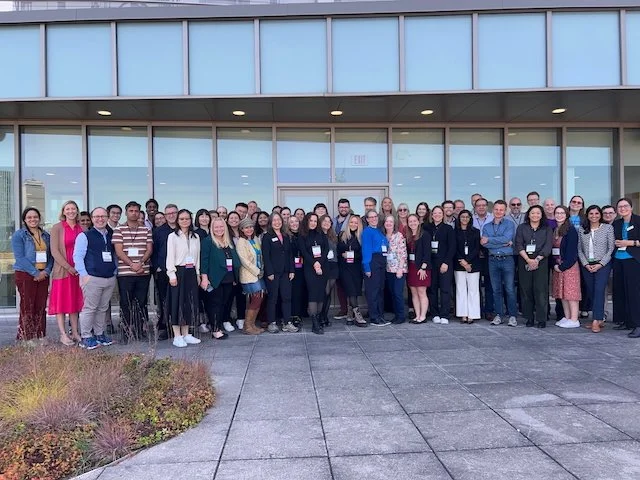
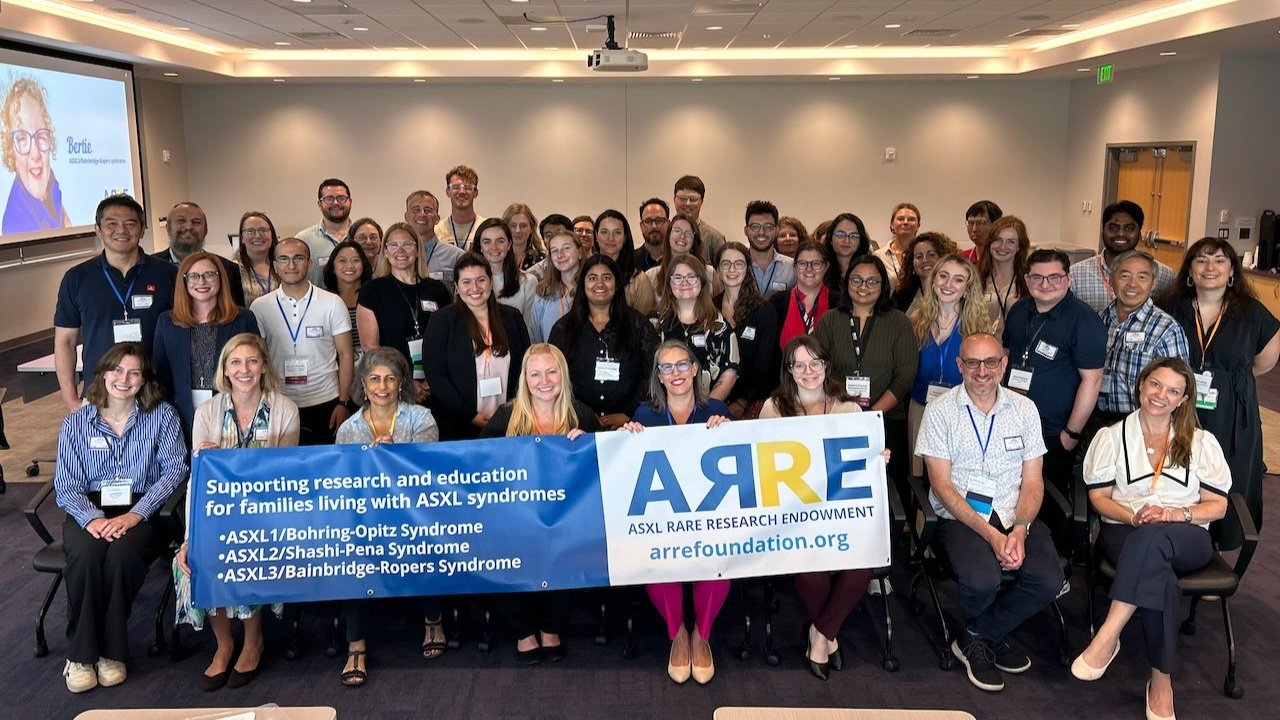
Past ASXL Research Symposia
-

2025 ASXL Research Symposium
-

2024 ASXL Research Symposium
Not just a scientific meeting
You can contribute to improving the lives of hundreds of families living with ASXL-related disorders by attending the ASXL Research Symposium. There are so many unanswered questions — and we need your help to answer them.
ASXL Research Symposium Program Committee
-

Valerie Arboleda, MD, PhD
UCLA
-

Stephanie Bielas, PhD
University of Michigan
-

Eric Conway, PhD
University College Dublin
-

Rob Illingworth, PhD
University of Edinburgh
-

Natasha N. Ludwig, PhD
Kennedy Krieger Institute and Johns Hopkins University School of Medicine
-
Cory Rillahan, MD, PhD
Dana Farber Cancer Institute
-

Bianca Russell, MD
UCLA
-

Wen-Hann Tan, BMBS
Boston Children’s Hospital